De-Risking Power Tool Castings with 3D-Printed Wax Patterns
When manufacturing high-performance products, especially power tools and heavy-duty industrial equipment, structural components like housings and brackets are typically cast after the initial design phase due to inherent complexities. Engineers must balance several competing requirements before committing to hard tooling. These challenges include fitting motors and batteries within tight internal spaces while simultaneously meeting strict targets for weight, thermal management, and user ergonomics.
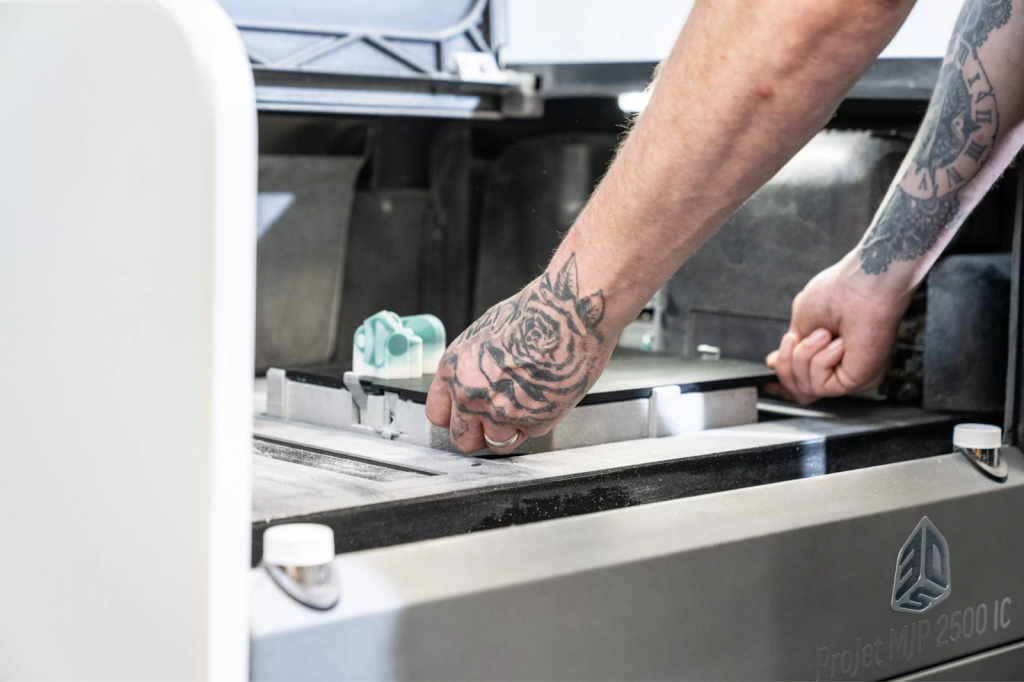
However, committing to expensive die-cast or investment casting tooling severely restricts design flexibility. Should a clearance or ergonomic issue be discovered during initial physical tool trials, fixing it requires modifying or completely replacing the hard tool steel, a costly procedure that significantly damages project timelines and development budgets. The most effective way to prevent this is to identify these issues much earlier, before any tooling investment is finalised. Therefore, the most reliable approach currently is to utilise 3D-printed wax patterns, a method that effectively bridges the gap between digital CAD models and the final hard tooling.
Validate Cast Geometry Before Cutting Steel
Going straight from a digital model to hard tooling is inherently risky. On a screen, assemblies always fit perfectly. In the real world, you might find that a wire loom gets pinched, a battery housing feels unbalanced in the hand, or a critical load-bearing wall needs reinforcing after drop-testing. Traditionally, engineers have relied on plastic 3D prints for visual mock-ups or CNC-machined blocks for physical testing. However, neither provides a true reflection of how a cast component will perform.
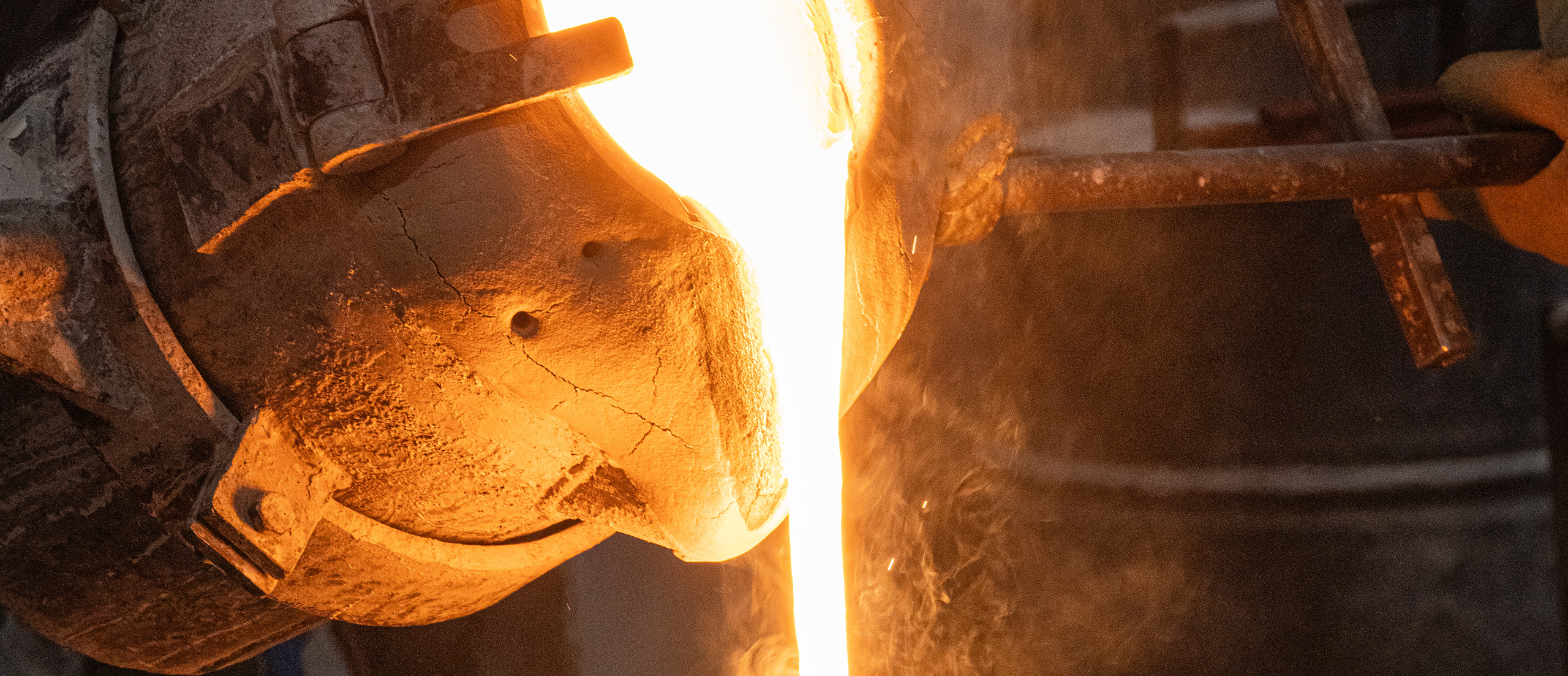
By integrating 3D printing for casting into the prototyping phase, engineering teams can validate complex geometries in actual metal without waiting for a dedicated wax injection die to be machined. Using a ThermoJet wax printer, a highly accurate, layer-by-layer replica of the component is built directly from the CAD file. This printed pattern is then taken through a standard investment casting process: shell building, dewaxing, and pouring in the chosen alloy. The result is a near-net-shape metal prototype that allows you to test the true mechanical and thermal properties of the design, all without spending any extra on permanent tooling.
Why Not Just Machine a Prototype?
While machining prototypes from solid aluminium or steel billets is a common approach, it has clear disadvantages when developing parts intended for high-volume casting. These include:
- Difference in Material Properties: A machined block does not share the same mass distribution, grain structure, or mechanical behaviour as a cast part.
- Complexity Simplification: Power tool housings are notoriously complex, often featuring deep undercuts, intricate internal cooling passages, and organic, ergonomic grip surfaces. Machined prototypes frequently have to simplify these internal cavities or ignore casting-specific features like draft angles and wall-thickness transitions.
A material-jetting wax printer naturally creates these features, and casting accurately reproduces the intricate detail in metal. Testing a cast prototype ensures the part genuinely reflects how the final manufactured product will perform under stress, torque, and vibration.
Freedom to Iterate in Metal
By eliminating the need for upfront tooling, prototyping transforms into a genuinely iterative process, rather than a substantial initial investment. Instead of enduring a multi-month wait for the first off-tool sample, teams can quickly cast small batches of prototypes to validate motor packaging and clearances.
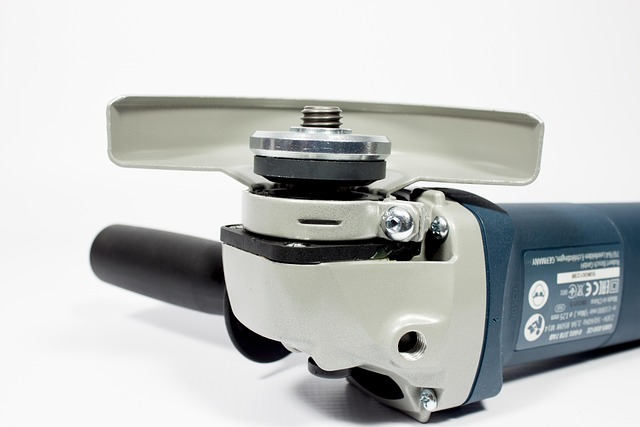
Physical testing allows designers to identify issues, leading to adjustments in the CAD model, such as thickening a rib or refining a fixing point. Following this, a new set of wax patterns is simply printed, and the subsequent iteration is cast. This method enables the early and affordable resolution of problems, shifting the burden of discovery away from the stressful post-tooling phase. Ultimately, this approach provides procurement and engineering teams with absolute confidence in the final geometry before the design is submitted for full production.
Tighten the Iteration Loop
When running rapid iteration loops, geography and process control matter. Keeping prototyping within a tight, local supply chain ensures that insights are actioned faster. For British manufacturers, developing prototypes in a UK foundry that operates under an ISO 9001:2015 certified quality management system ensures that test parts are subject to the same process controls and metallurgical standards as high-volume production runs. It means straightforward engineering discussions, no overseas communication delays, and a seamless transition from the prototype phase into volume manufacturing.
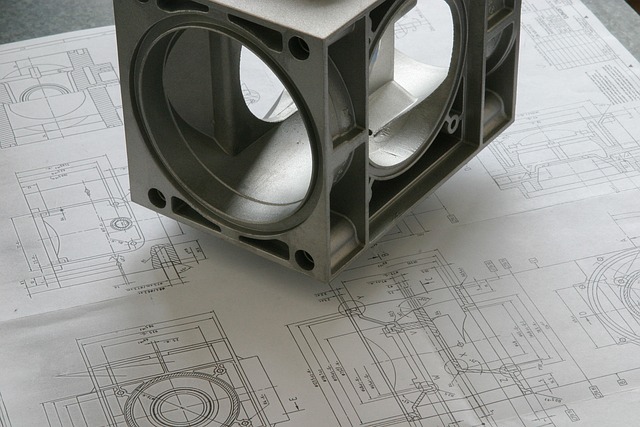
Once the design is fully proven in the real world, the project can be confidently migrated into commercial die casting or aluminium investment casting, knowing that the tooling investment is entirely risk-free. If you are developing a new housing or complex component and want to eliminate tooling risk before committing your budget, exploring 3D-printed wax patterns could be the missing step in your development cycle.
Start Your Tooling Project Today
3D-printed wax patterns eliminate upfront tooling costs and enable rapid, high-fidelity prototypes. This transforms product development from risky to confident and iterative, allowing validation of complex cast geometries in the final metal alloy, ensuring true mechanical performance, and resolving critical design issues early. This makes your investment in permanent tooling much safer.
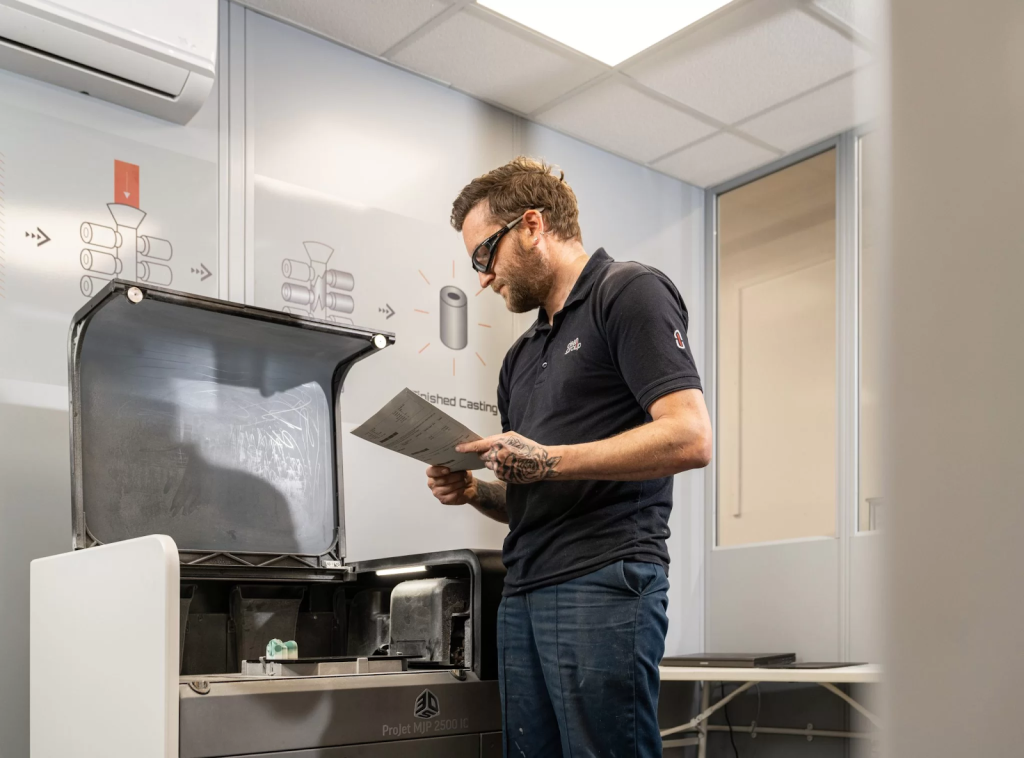
If developing a new housing or complex component, exploring 3D-printed wax patterns can eliminate tooling risk before committing your budget. Contact us today to discuss your tooling and housing component job and de-risk your next project.



Brinell Drive
Northbank Industrial Park
Irlam
Manchester
M44 5BL
Registered in England VAT No: 146307478 Company Registration No: 1062820